Porsche Guides: 997, 996, 987 & 986
Everything you need to know about the 997, 996, 987 Boxster/Cayman, and 986 Boxster — from IMS bearing solutions and buyer's guides to torque specs, DIY procedures, and parts recommendations. Built for owners who work on their own cars.
Every prospective 996 buyer eventually has the conversation. Sometimes it comes from a well-meaning acquaintance who once heard something about Porsches and engines. Sometimes it's the third Rennlist thread you've read at midnight before putting in an offer. Sometimes it's a PPI report with a paragraph that starts "the IMS bearing..." and suddenly the whole deal feels different.
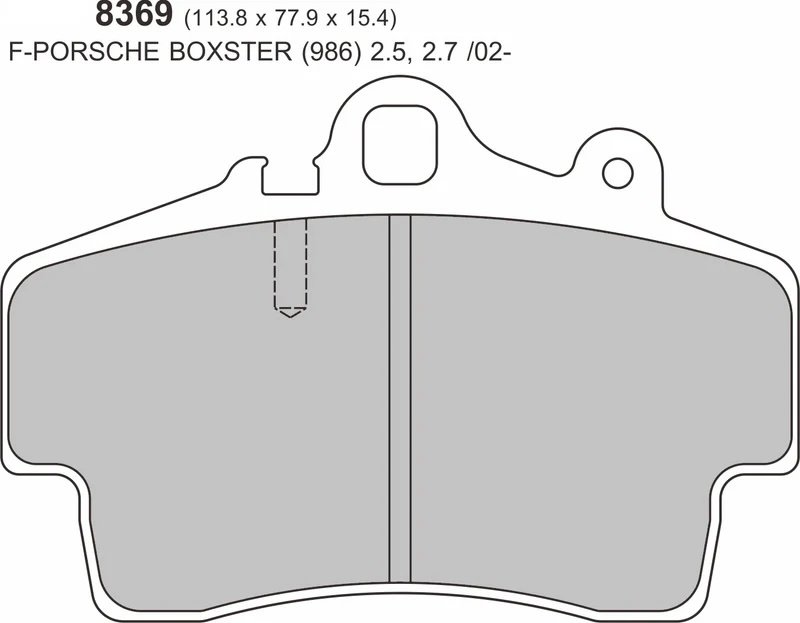
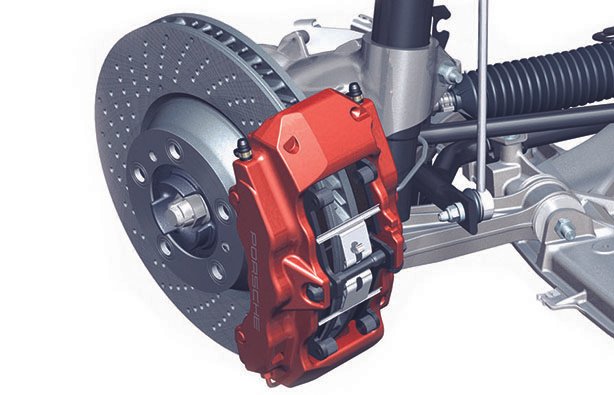
Stock Porsche brake pads are engineered for average use — and that means they're a compromise. If you're driving a 986 Boxster or 987 Boxster/Cayman with any enthusiasm, or planning even one track day, you owe it to yourself to upgrade. The good news: the 986/987 brake platform is well-supported by every major pad manufacturer, and the community consensus on what works is very clear.
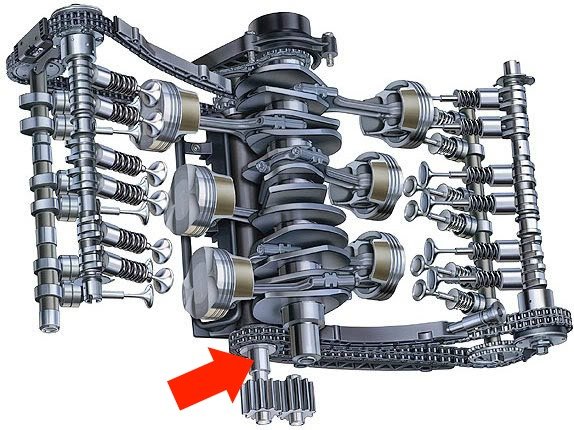
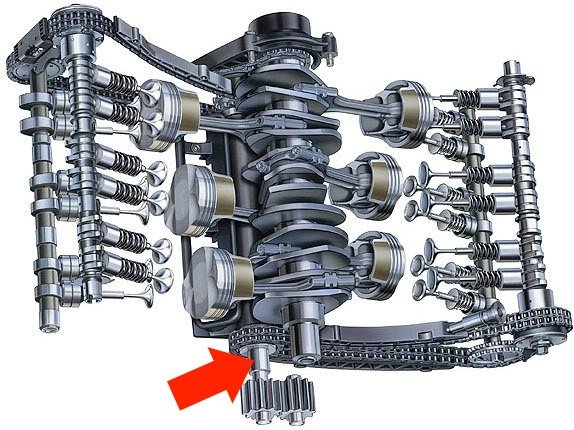
If you own a Porsche 986 Boxster, 987 Boxster, or 987 Cayman — or you're about to buy one — the IMS bearing is the first thing every forum will tell you to research. It's a legitimate concern. But after spending time in the Rennlist, 986Forum, and Planet-9 threads, the picture is clearer than the noise suggests. Here's what experienced owners actually choose, and why.
This is a complete brake replacement walkthrough for the 2006 Porsche 911 Carrera 4S (997.1) with standard steel brakes — rotors, pads, wear sensors, and all the hardware. The procedure is largely identical for 2005–2008 997.1 Carrera S, Carrera 4S, Targa 4S, and Cabriolet models running steel brakes.
Complete torque spec reference for Porsche 987 Boxster and Cayman (2005–2012) — all variants, both generations. Covers 987.1 (M96/M97, IMS risk) and 987.2 (MA1, IMS-free): wheels, engine, drivetrain, brakes, suspension, and axle nuts. Values in ft-lbs and Nm.
Complete Porsche 986 Boxster torque specifications for all variants (1997–2004): 2.5L, 2.7L, and Boxster S 3.2L. Every common DIY job covered: oil drain, spark plugs, wheel bolts, suspension, brakes, flywheel — sourced and verified.
Complete Porsche 996 torque specifications for all variants (1998–2005): Carrera, C4, C4S, Turbo, GT2, and GT3. Every major DIY job covered — oil drain, spark plugs, wheel bolts, suspension, brakes, flywheel, and more. Source-verified with conflict flags where specs differ.
Nothing fancy. We’ve gathered every common 997.1 DIY spec, from wheel bolts to water-pump screws, in both ft-lbs and Nm, each paired with its source link.
I don't surf, but a friend once told me something about surfing that changed how I think about life. "Paddle out. Even if it looks bad." I'm in my mid-30s now, and I've spent way too many years making excuses not to pursue my passions — especially driving. We're not going to live forever, and if we don't do the things that bring us joy even when the opportunity is right there, we're bound to die even sooner.
I used to think James Dean was just another Hollywood rebel who got addicted to cars. Then I learned about his relationship with Little Bastard, his Porsche 550 Spyder, and realized he was just trying to feel whole (like most of us).
I had a hell of a time finding the simple instructions to do this every time I wanted to make a change. There’s a few threads on Rennlist, but making and bookmarking my own article without the “forum-fluff” was honestly easier.
Porsche wasn't lying — there really is no substitute, but you won't understand that until your 20th drive. Most people think they're looking at the same car for 60 years, but what they're actually seeing is 124,800 hours of refinement that can't be engineered around. You either get it or you don't, and that's ok.