BMW Guides: E36, E46 & E39
Everything you need to know about the E36, E46, and E39 — from buyer’s guides and common problems to torque specs, DIY procedures, and parts recommendations. Built for owners who work on their own cars.
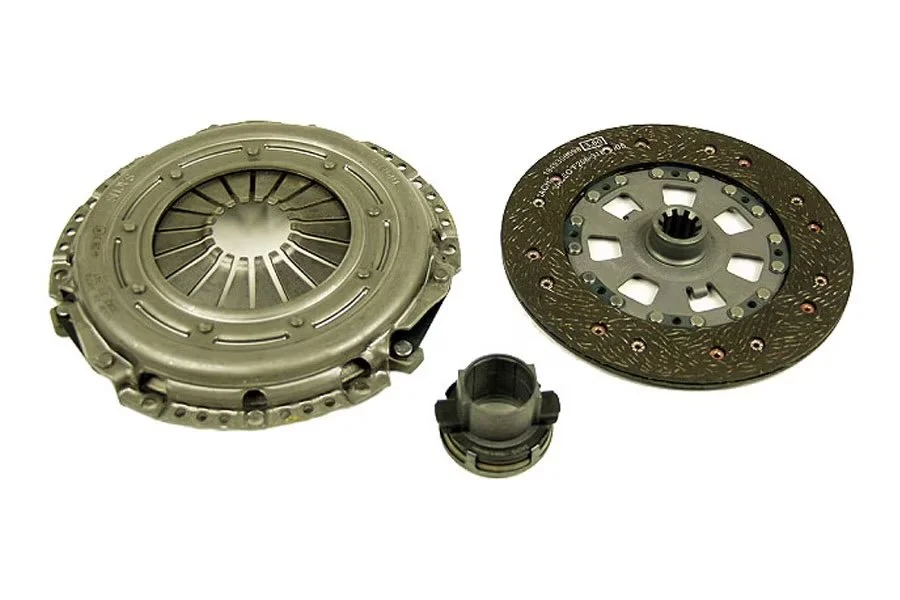
The BMW E36 clutch conversation is one of the clearest examples of enthusiasts over-engineering a solution. There's a strong pull toward "stage 2" and "stage 3" clutch kits whenever the topic comes up — but most E36 owners don't need them, and installing one without the right supporting work can actually make the car worse to drive.
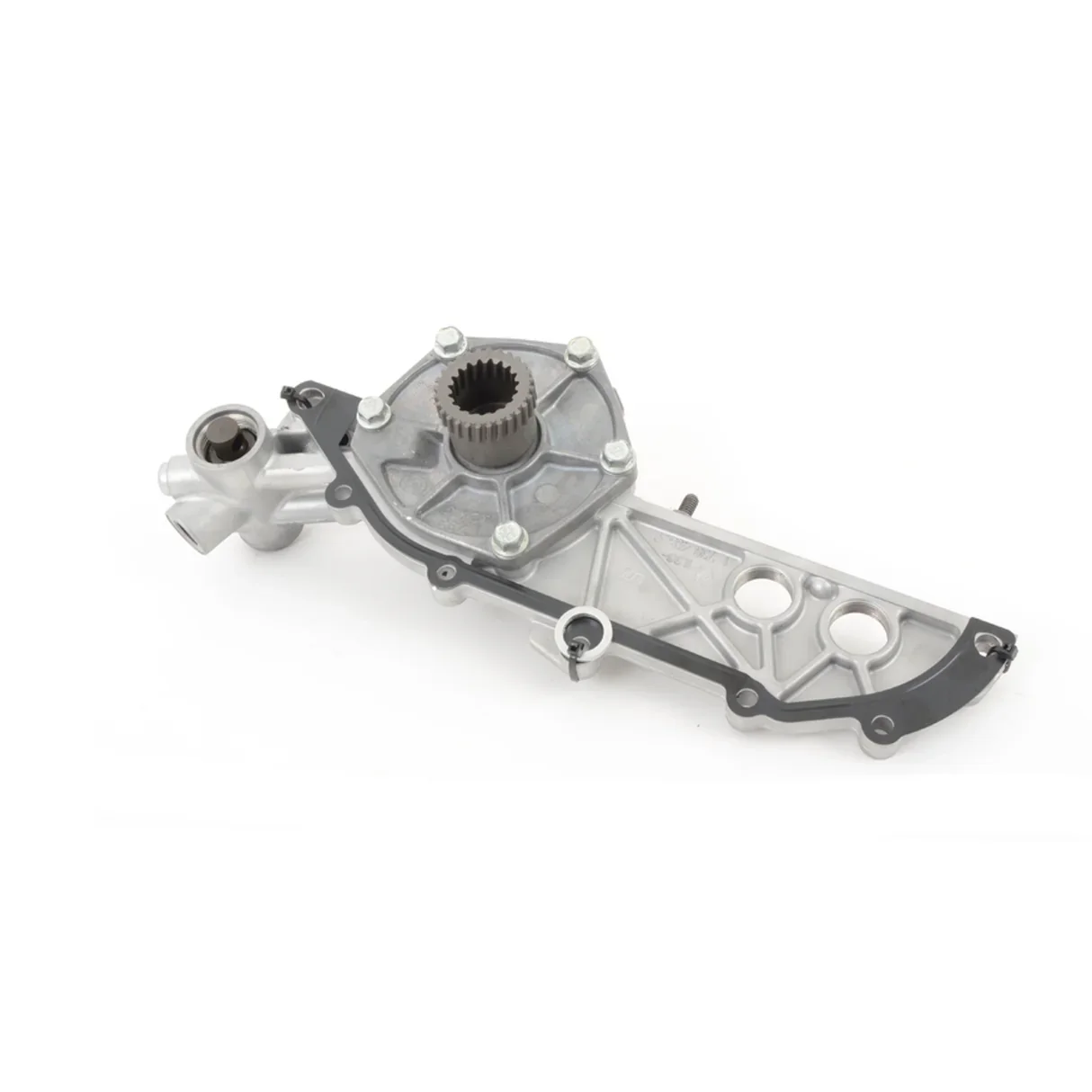
If your BMW E36 or E46 has started idling rough, lost power in the mid-range, or thrown codes related to camshaft timing, VANOS is likely the culprit. It's one of the most common failure points on M50TU, M52, and M54 engines — and it's also one of the most satisfying DIY fixes once you understand what's actually failing.
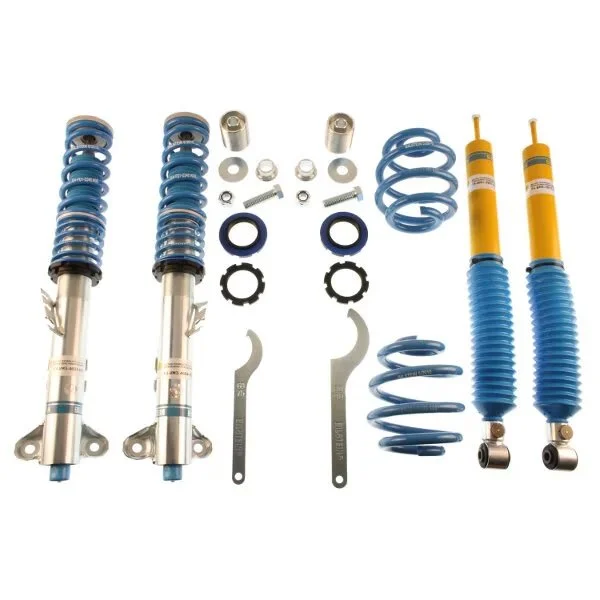
The BMW E36 has one of the most active suspension communities in the enthusiast world. Whether you drive a 318i daily or a slammed M3 on track days, the coilover conversation comes up constantly on R3VLimited and BimmerFest. After reading hundreds of threads, the pattern is clear: a few brands dominate, and the rest get warned against.
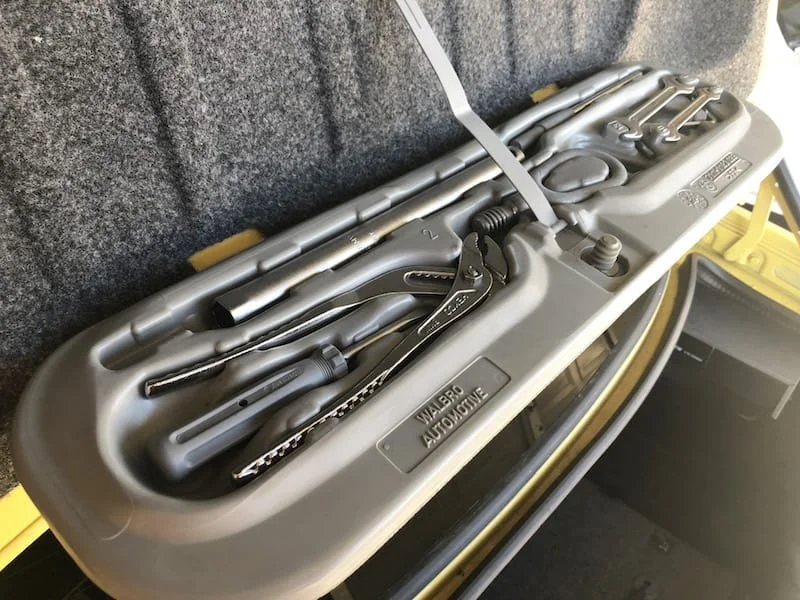
If you're going to wrench on your own BMW, having the right tools makes the difference between a clean Saturday job and a three-week nightmare. This guide covers everything you actually need — from the basics to the BMW-specific tools that will save you hours of frustration and stripped fasteners.
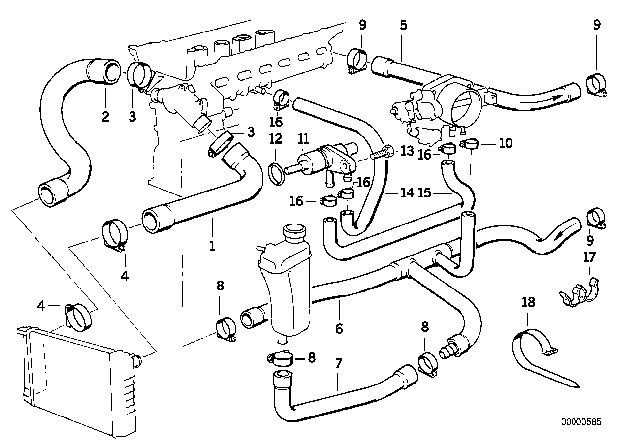
If you're working on a BMW E46 and you're reaching for the torque wrench, this is the page you want open. The E46 3 Series is a genuinely rewarding car to maintain — the engineering is logical, parts are accessible, and the DIY community is enormous. But get the torque specs wrong and you'll be dealing with cracked plastic housings, stretched bolts, or a cooling system that lets go at the worst possible moment.
The BMW E39 5 Series ran from 1995 to 2004, and it earned a reputation as one of the finest driver’s cars BMW ever made. It’s also a car that rewards proper maintenance and punishes neglect. If you’re doing any mechanical work on an E39 — whether it’s a 520i, a 540i, or the legendary M5 — having accurate torque specs is non-negotiable. The wrong torque on a cylinder head bolt or a crankshaft pulley can mean a rebuild instead of a weekend job.
The BMW E36 3 Series is one of the most beloved sports cars of the 1990s — and one of the most maintenance-intensive. It rewards drivers who understand it and stay on top of its known weaknesses. It punishes neglect, sometimes catastrophically. This page covers every significant known issue on the E36 in order of severity, with real costs and real advice — so you know what you're dealing with before you buy one, or before an expensive surprise finds you.
This guide covers torque specs for all common E36 DIY jobs across all six-cylinder variants — M50, M52, S52 — as well as the four-cylinder M42/M44 where specs differ. Values are sourced from the Bentley E36 service manual, BMW TIS, and community-verified references on BimmerFest, R3VLimited, and Pelican Parts.
The BMW E36 3 Series has arrived as a fully-fledged enthusiast classic. Prices have stabilised, the community is enormous, and the supply of good examples — while shrinking — is still there if you know what to look for. But buying the wrong one is an expensive lesson. This guide covers everything you need to make a smart purchase: which variants are worth the money, which engines hold up, what to look for on a pre-purchase inspection, and what it actually costs to own one.
Who knew getting an aftermarket horn button to work in an E36 would be so challenging? This guide will walk you through the process step-by-step, ensuring you can complete the installation WHILE maintaining the functionality of your horn and avoiding SRS (airbag) system errors.
The BMW E36 is a (shitbox) classic car (sometimes) cherished by enthusiasts worldwide. If you've completed the oil change yourself, you can easily reset the oil service light with a paperclip.
This guide provides a step-by-step process for refreshing the power steering hoses and reservoir of a BMW E36, ensuring smooth operation and preventing leaks (for now).
Can you imagine what it’d be like to drive this in 1998? It was a year insignificant to most, but I was only 8 years old then. And it was the year my mom passed. I mention that because…well, I’m not sure. Maybe because it serves as a reminder that our existence is temporary and if I didn’t go for a drive today, I might not be here to go for a drive tomorrow. Morbid, but a fact of life.
Few things get me out of bed before the sun rises — the cat throwing up, the dog barking (whining) for breakfast, and any opportunity to drive my E36. Thankfully, on an uneventful Tuesday, it was something involving my E36 that made it easy to lift my head off the pillow, put on my glasses, and take my morning dump.
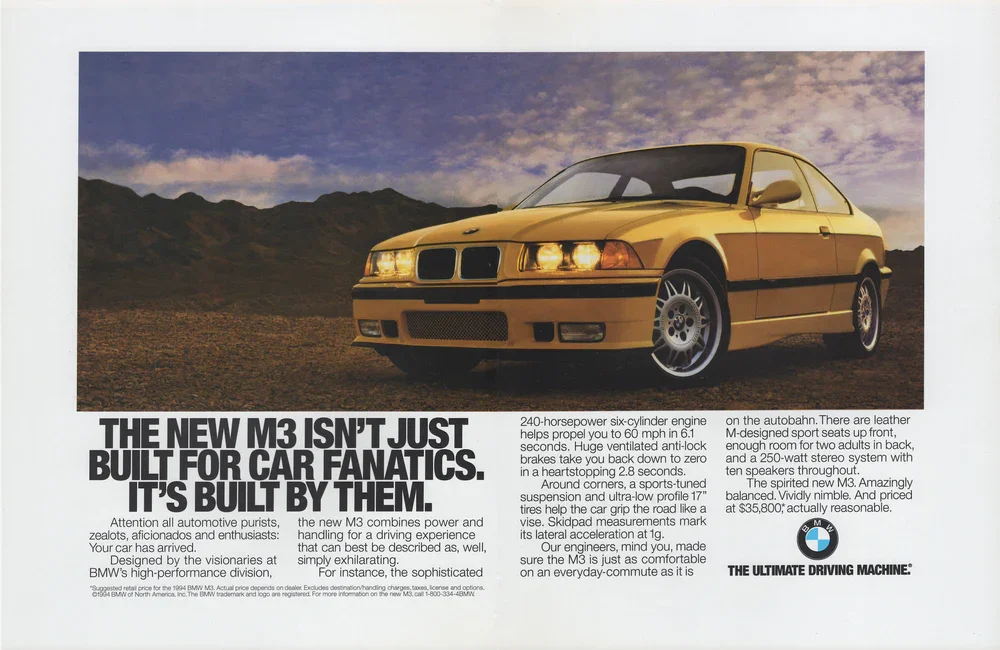
The U.S. E36 M3 (1995–1999) was neutered. While the European version had 321hp, the U.S. version only had 240hp. The E36 M3 also didn’t have rad box flairs like its race-bred predecessor (E30 M3) and it didn’t have an engine as special as the M3 that followed (E46 M3). So, why are prices of this“bastard-child” M3 increasing?